This is a blog on Helen Levitt, a street photographer who left a substantial impact on the world of photography.
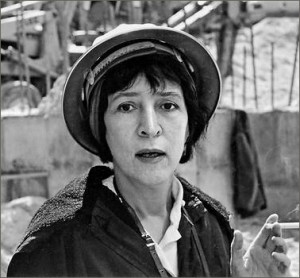
Levitt's interest in photography started in 1931, shortly after she learned the darkroom technique while working for a portrait photographer. At 16 she decided to become a professional photographer. She was massively influenced by Walker Evans and Henri Cartier-Bresson. Cartier-Bresson suggested she get a 35mm camera, and from there Levitt pursued community street life for the next 40 years.
Levitt received a Guggenheim Fellowship and was a National Endowment for the Arts Photography Fellow. In 1997 she received ICP's Master of Photography Infinity Award. She was born with Meniere's syndrome, an inner-ear disease that causes dizziness, drowsiness and tinnitus – “I have felt wobbly all my life,” she said – but none of it stopped her creating beautiful, impactful artwork.
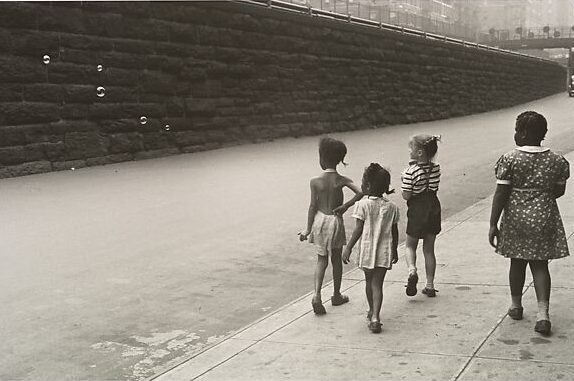
Some of her most notable artwork includes New York (Bubbles) in 1945. In it, four young girls walk down the street when they spot soap bubbles flying across it. The photograph conveys the pure curiosity of childhood, while the well-worn structure of the image strongly conveys working-class poverty.
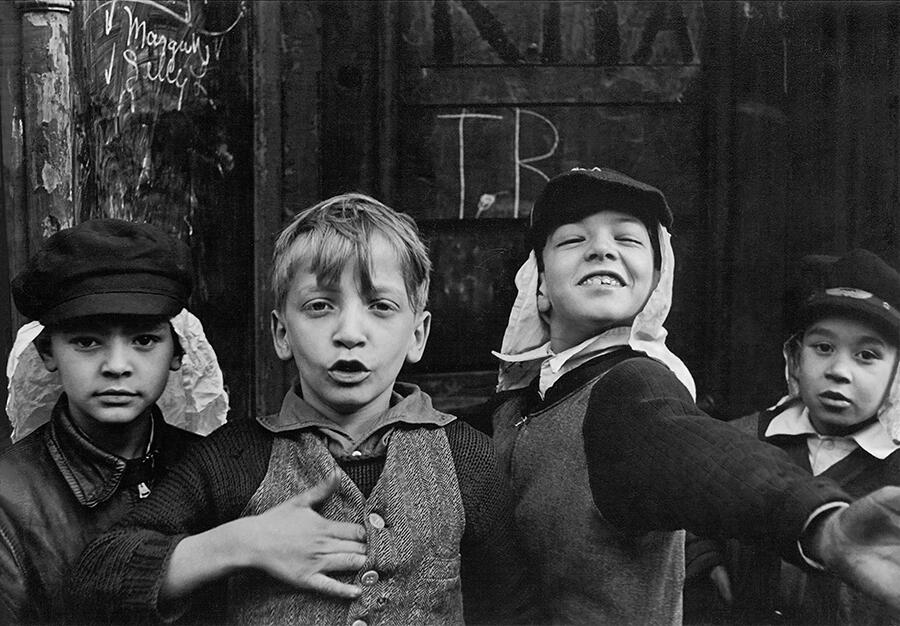
In New York, 1940, four young boys appear, two of them highly confident – one with his hand to his chest, one with arms spread wide. It conveys pure energy as they stare down the lens. This image is an exception in Levitt's work, as she usually tried to take photos unnoticed.
Levitt had such a large impact that there were books and publications on her, such as A Way of Seeing – 50 original photographs meant to represent her understanding of herself. Originally published in 1965, it became “a classic of its genre”. In conclusion, her work had worldwide impact on other photographers and on how humanity sees the world, through her ability to capture authentic, candid moments. It shed light on the lives of ordinary people, changing photography forever.