As I move forward with this project, this second blog post is an opportunity to reflect on my progress and evaluate the initial shoots so far. I'll focus on the strengths and weaknesses of my preliminary shoots and how I'm developing a more coherent visual to ensure the project evolves in the right direction.
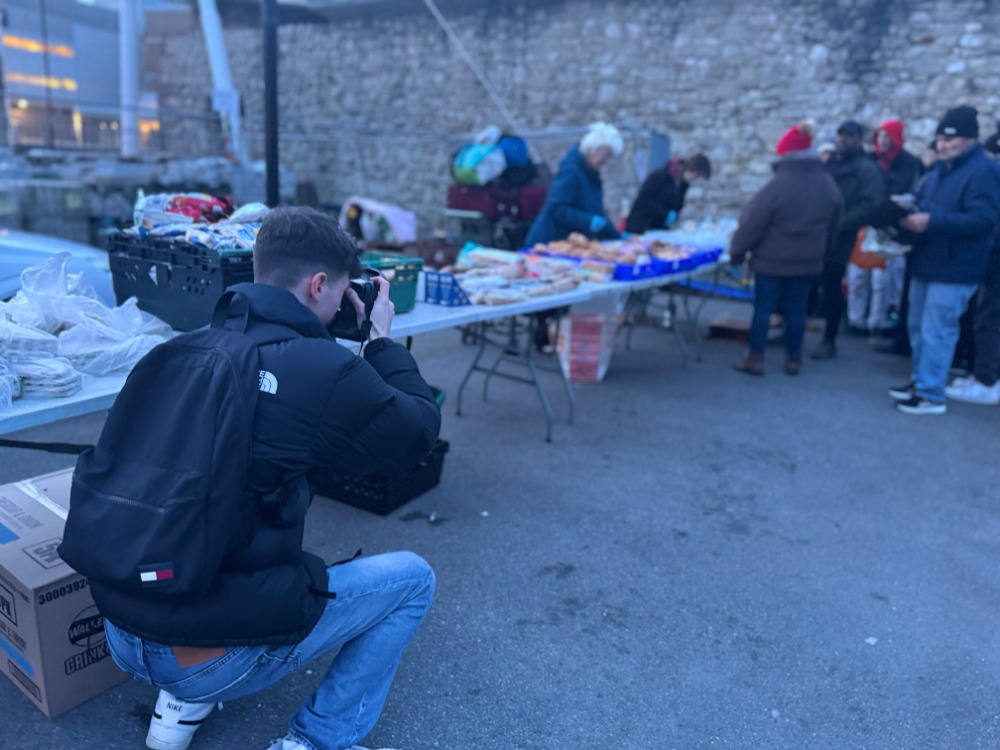
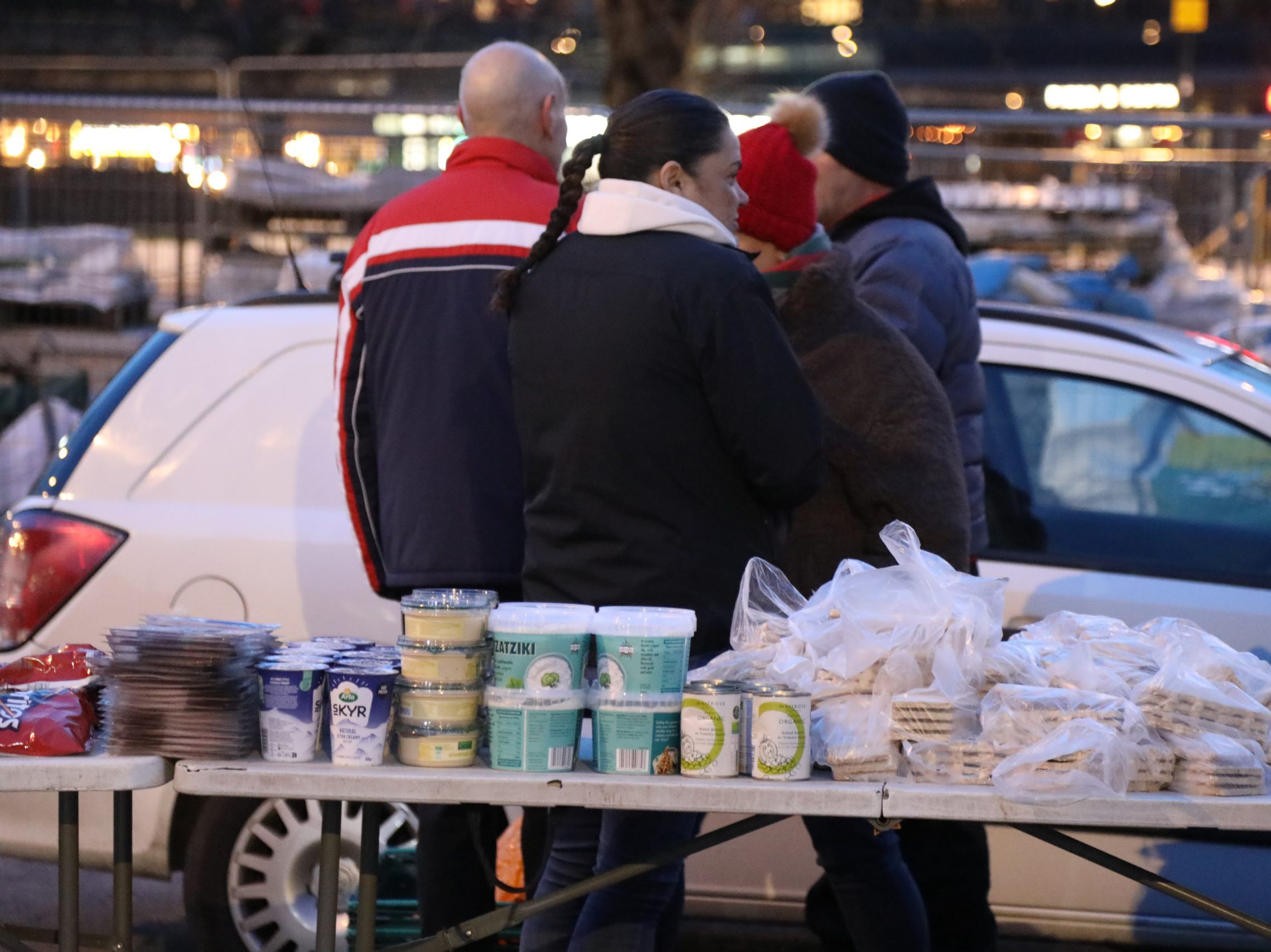
The preliminary shoots have gone really well overall. The main challenge to overcome was that none of the homeless people wanted their faces in the pictures, understandably. I had to carefully navigate privacy and consent – while the volunteers were generally happy to be photographed, most of the homeless were against it.
To address this, I adjusted my approach. Rather than focusing on portraits like Alex Majoli's work on Leros, I experimented with a fly-on-the-wall style. Through discreet, story-telling compositions I captured hands receiving food, the van being unloaded, interactions between volunteers, expressions and silhouettes, or over-the-shoulder shots that protected identities but still conveyed presence.
Another challenge I hadn't anticipated was the fast-paced dynamic of the street kitchen. Wanting the photographs to be authentic while using the fly-on-the-wall technique meant it was difficult to frame shots exactly as I wanted, so I relied more on instinct and quick decision-making. I found that the more spontaneous the moment, the more powerful the shot.
Despite these challenges, the preliminary shoots were valuable in shaping the direction of the project. They reinforced the importance of privacy and respect, and capturing candid moments brought out the emotion and story I wanted. Lighting was something I had to consider too: the street kitchen opens late, so I have about an hour before the sun goes down. I have been experimenting with shadows and highlights to create depth, and considering whether to use black and white for a timeless, documentary feel or muted, earthy tones that reflect the raw reality of the environment.